

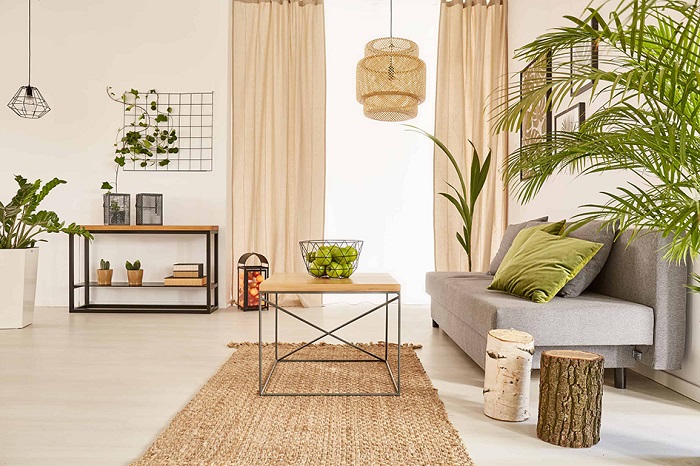
Quiet luxury is no longer about whispering logos or muted cashmere tones alone. In today’s interiors, it has evolved into something deeper, slower, and far more intentional. The most compelling homes right now are not defined by price tags or instant visual impact, but by stories of craftsmanship, materials with integrity, and design choices that respect both people and planet.
This is where sustainable home decor steps in. Not as a trend, but as a cultural shift. And increasingly, it is the clearest expression of modern quiet luxury.
One of the most visible examples of this shift can be seen in the renewed appreciation for handwoven textiles and natural materials, such as artisan rugs from brands like SayRUG, where sustainability is inseparable from aesthetics.
The New Definition of Quiet Luxury
For decades, luxury interiors were about scale and spectacle. Think marble floors polished to a mirror shine, imported finishes, and statement pieces designed to impress at first glance. Quiet luxury rejects that language entirely.
Today, luxury is measured by:
- The origin of materials
- The lifespan of each object
- The skill and ethics behind its creation
- How a space feels to live in, not just to photograph
In this context, sustainability is not an add-on. It is the foundation.
“True luxury is having fewer things, but knowing exactly where they come from and why they matter.”
Why Sustainability Feels Luxurious Right Now
The appeal of sustainable decor is emotional as much as visual. In an age of excess choice, fast furniture, and algorithm-driven sameness, restraint has become aspirational.
Sustainable interiors offer something increasingly rare:
- Authenticity in a mass-produced world
- Patina instead of perfection
- Objects that age gracefully rather than expire
There is a quiet confidence in choosing a solid wood table that may carry subtle knots, or a handwoven rug whose irregularities reveal the human hand. These are not flaws. They are proof of life.
Materials That Speak Softly but Last Loudly
One of the clearest markers of sustainable quiet luxury is material choice. The emphasis has shifted away from synthetic shine toward natural depth.
Natural Fibers
Linen, wool, jute, hemp, and organic cotton dominate contemporary interiors. Not because they are fashionable, but because they breathe, age well, and connect a home to nature.
A wool rug dyed with plant-based pigments will mellow over time, developing character instead of wear. That slow transformation is part of its value.
Solid Wood Over Composites
Fast furniture relies heavily on engineered boards and chemical finishes. Sustainable luxury favors solid oak, ash, walnut, or reclaimed timber, often finished with natural oils rather than high-gloss lacquers.
The result is tactile and warm. You feel it immediately when you walk into the room.
Craft Over Speed: The Return of the Maker
Perhaps the most radical aspect of sustainable decor is its relationship with time.
Quiet luxury embraces slowness. A chair that takes months to build. A rug woven knot by knot. A ceramic vessel shaped by hand, not poured into a mold.
This return to craftsmanship reflects a broader cultural fatigue with disposability. Consumers are no longer impressed by how quickly something arrives. They care about how thoughtfully it was made.
“The most luxurious thing in a home today is knowing someone took their time to make it.”
Sustainable Decor as a Status Signal, Without the Noise
Interestingly, sustainability has become a subtle form of status. But unlike traditional luxury, it does not announce itself.
There are no logos stitched into cushions. No obvious markers of expense. Instead, recognition comes from those who know.
A guest notices the texture of a hand-loomed rug. The weight of a wooden bowl. The way light moves across limewashed walls. These details reward attention, not spectacle.
This is why sustainable decor aligns so naturally with quiet luxury. Both value discernment over display.
The Emotional Comfort of Ethical Choices
Homes are becoming sanctuaries again. Not showrooms, not content backdrops, but places of rest.
Sustainable interiors support this emotionally. Knowing that your decor choices did not exploit labor, pollute ecosystems, or rely on harmful chemicals creates a sense of calm that goes beyond aesthetics.
It is difficult to fully relax in a space that feels disposable. Longevity brings psychological comfort.
How Designers Are Rethinking Luxury Spaces
Interior designers working at the high end are quietly rewriting the rules.
Instead of filling rooms, they curate them. Instead of sourcing globally for novelty, they source locally for meaning. Instead of trend forecasting, they focus on timelessness.
Key principles shaping sustainable luxury interiors today include:
- Neutral palettes inspired by nature
- Layering textures rather than colors
- Furniture designed to be repaired, not replaced
- Decor that tells a story rather than follows a season
The result is spaces that feel grounded, personal, and quietly confident.
The Role of Textiles in Quiet Sustainable Luxury
Textiles are often the emotional core of a home. They absorb sound, soften light, and invite touch.
Sustainable textiles elevate this role. Handwoven rugs, natural throws, and responsibly dyed fabrics bring warmth without excess.
When chosen well, a single rug or textile can anchor an entire space, eliminating the need for additional decoration. This restraint is central to quiet luxury.
Quality over quantity is not just a slogan here. It is a design philosophy.
Less, But Better: A New Consumption Mindset
Sustainable home decor also reflects a broader shift in how people consume.
Rather than frequent updates, there is a move toward:
- Fewer purchases
- Higher quality
- Deeper emotional attachment
This approach mirrors how people now think about fashion, food, and even travel. Luxury is no longer about accumulation. It is about alignment.
Why This Is Not a Passing Trend
Trends rely on novelty. Sustainable quiet luxury relies on values.
As environmental awareness grows and consumers become more informed, the appeal of disposable decor fades. Homes designed around sustainability are not just visually relevant. They are future-proof.
This movement is supported by:
- Stricter environmental regulations
- Greater transparency in supply chains
- A cultural shift toward conscious living
In this sense, sustainable decor is not replacing luxury. It is redefining it.
Conclusion: The Soft Power of Thoughtful Design
The most beautiful homes today do not shout. They whisper. They reveal themselves slowly, through texture, material, and meaning.
Sustainable home decor embodies this philosophy perfectly. It proves that luxury does not require excess, and that elegance can coexist with ethics.
In a world growing louder by the day, the quiet confidence of sustainable design feels not only relevant, but necessary.
Quiet luxury is no longer about what you can afford to show. It is about what you choose to stand behind.